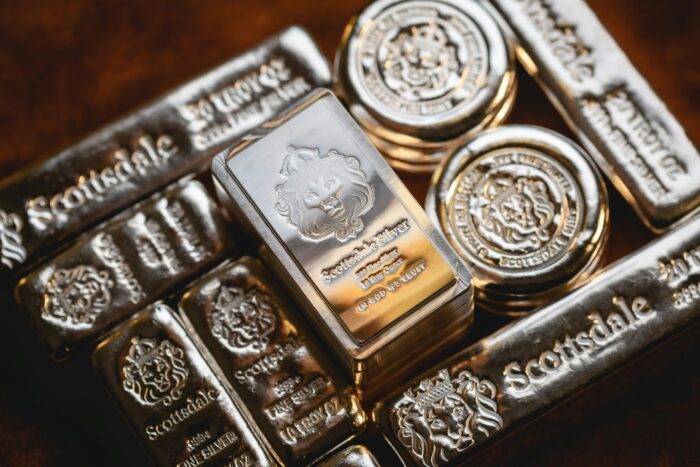
Introduction to Investing in Silver
Silver has captivated investors for centuries. From ancient coins to modern bullion, this precious metal holds a unique place in the financial world. With its appealing luster and tangible value, silver is more than just an investment; it’s a way to secure your future. At Grandpas Silver they know their silver and are ready to help.
As economic uncertainties loom, many are turning their eyes toward silver as a potential hedge against inflation and market volatility. But can investing in silver truly change your future outcome? Let’s explore how this shimmering asset could reshape your financial landscape and what you need to know before diving in.
The Benefits of Investing in Silver
Investing in silver offers various advantages that can enrich your financial portfolio. One of the most compelling benefits is its intrinsic value. Unlike paper currency, silver has tangible value and has served as a store of value for centuries.
Silver also serves as a hedge against inflation. When currencies lose their purchasing power, precious metals like silver tend to retain their value, providing protection in turbulent economic times.
Another appealing aspect is the diversification it brings to your investments. Adding silver helps spread risk across different asset classes, enhancing overall stability.
Additionally, demand for silver continues to grow due to its industrial applications—think electronics and renewable energy. This rising demand could lead to potential price increases over time.
Investing in physical silver allows you to possess an asset you can hold directly. Many investors find comfort in having something concrete amid market uncertainties.
Risks Associated with Silver Investments
Investing in silver can be enticing, but it comes with its share of risks. One significant factor is price volatility. Silver prices can swing dramatically based on market trends and economic conditions.
Another risk involves market manipulation. Unlike gold, the silver market is less regulated, making it susceptible to fluctuations driven by speculative trading.
Storage and security also pose challenges for investors. Physical silver requires safe storage solutions to prevent theft or damage. This adds an extra layer of complexity and cost.
Liquidity issues can arise as well. While selling silver might seem straightforward, finding a buyer willing to pay your asking price may not always be easy.
Keep in mind that investing in any precious metal means you could miss out on potential gains from other investment avenues like stocks or bonds during bullish markets.
How to Start Investing in Silver
Starting your journey in silver investment can be straightforward. First, educate yourself about the different types of silver available. This includes coins, bars, and exchange-traded funds (ETFs). Each option has unique benefits and drawbacks.
Next, choose a reliable silver dealer or platform. Research their reputation through reviews and industry ratings. Transparency is key when purchasing precious metals.
Once you select a dealer, determine how much you want to invest. It’s wise to start small as you gain experience in this market.
Consider storage options for your physical silver. You can keep it at home in a safe or opt for secure vault services provided by dealers.
Stay informed about market trends and economic factors affecting silver prices. Regularly monitoring the news will help refine your strategy as conditions change over time.
Silver Investment Strategies
When it comes to silver investment strategies, diversification is key. Don’t put all your eggs in one basket. Spread your investments across silver products, such as coins and bars, as well as other assets, such as coins, bullion bars, and ETFs.
Consider dollar-cost averaging as a way to minimize risk. This involves investing a set amount regularly, regardless of the current price. It helps you avoid the pitfalls of market timing. and can result in a lower average cost per share over time.
Another strategy is to focus on physical silver for tangible ownership. Many investors find comfort in having actual metal rather than just shares or funds.
Stay informed about market trends and economic indicators that influence silver prices. Knowledge can empower your decisions and help you navigate fluctuations more effectively.
Keep an eye on geopolitical events; these can affect supply chains and drive demand for precious metals like silver. Adaptability makes a significant difference in this dynamic market.
Long-Term vs Short-Term Investing
When investing in silver, it is crucial to understand the difference between long-term and short-term strategies.
Short-term investing typically involves buying and selling quickly to capitalize on market fluctuations. Traders often focus on price movements, aiming for quick profits. This approach requires constant monitoring of the market.
On the other hand, long-term investing is about patience and strategy. Investors buy silver with a view to holding onto it for years or even decades. This method relies on the belief that silver will appreciate over time due to factors like inflation or economic instability.
Both strategies have their merits. Short-term investments can yield quick returns but carry higher risk. Long-term investments may not provide immediate gratification but offer stability and potential growth over time.
Finding your comfort zone between these two approaches helps you determine how best silver can change your future financial landscape.
Conclusion: Latest News About Silver
As we look at recent developments in the silver market, there’s much to consider. The demand for silver continues to rise, especially in the technology and renewable energy sectors. Industries are increasingly relying on silver for solar panels, electric vehicles, and advanced electronics.
Market analysts note that the economic landscape can significantly impact silver prices. Factors such as inflation rates, currency fluctuations, and global political tensions all contribute to how silver performs as an investment.
Investors should stay informed about these trends while considering their personal goals. Following reputable financial news sources will help keep you updated on any shifts in the market that could affect your investments.
Silver has a long-standing reputation as a safe-haven asset during economic uncertainty. As more people seek security amid volatility, investing in silver may dramatically change your future—offering not only potential financial gains but also peace of mind in unpredictable times.